Mechanical
Airframe design, OpenRocket simulations, CFD/FEA validation, recovery-system design, and physical integration. Every part is either machined or justified.
Vehicle program
Designed, machined, wired, and tested by students. Every subsystem is integrated in-house — mechanical, electronics, and operations.
Subsystems
Airframe design, OpenRocket simulations, CFD/FEA validation, recovery-system design, and physical integration. Every part is either machined or justified.
Custom SRAD avionics, STM32 flight computers, KiCad PCB design, sensors, and telemetry systems. Ground-tested before flight.
Sponsorships, budget management, logistics, documentation, and launch coordination. The paperwork is as important as the wiring.
Integration
Mechanical, electronics, operations, and documentation feed into one launch-ready configuration. Shared requirements, shared handoff points, shared accountability.
See the range pathRange path
The program map from bench to range day — each phase is a checkpoint with evidence the team reviews before moving on.
Machine, wire, and document subsystems before they meet at integration.
Controlled tests with recorded setup, expected result, and actual result.
Fit checks, interface verification, and recovery-system validation.
Launch Canada logistics, telemetry capture, and flight-day procedures.
Post-flight inspection, data download, and lessons for the next iteration.
Collaborations
Cross-institutional rocketry partnership — shared test culture and launch-day coordination.
Joint picosatellite workshop series — 50 students building CanSat-style payloads in teams.
Field record
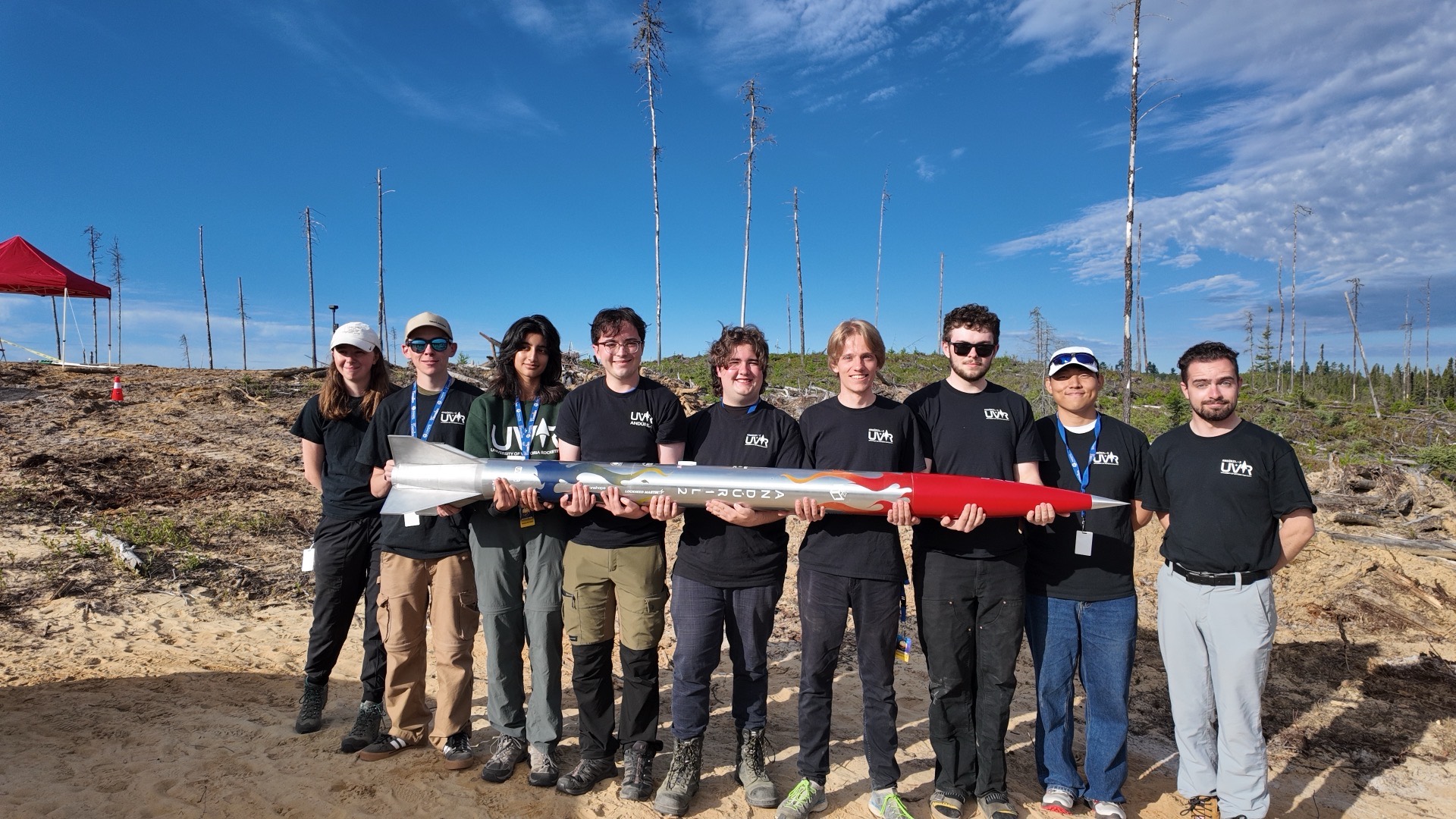
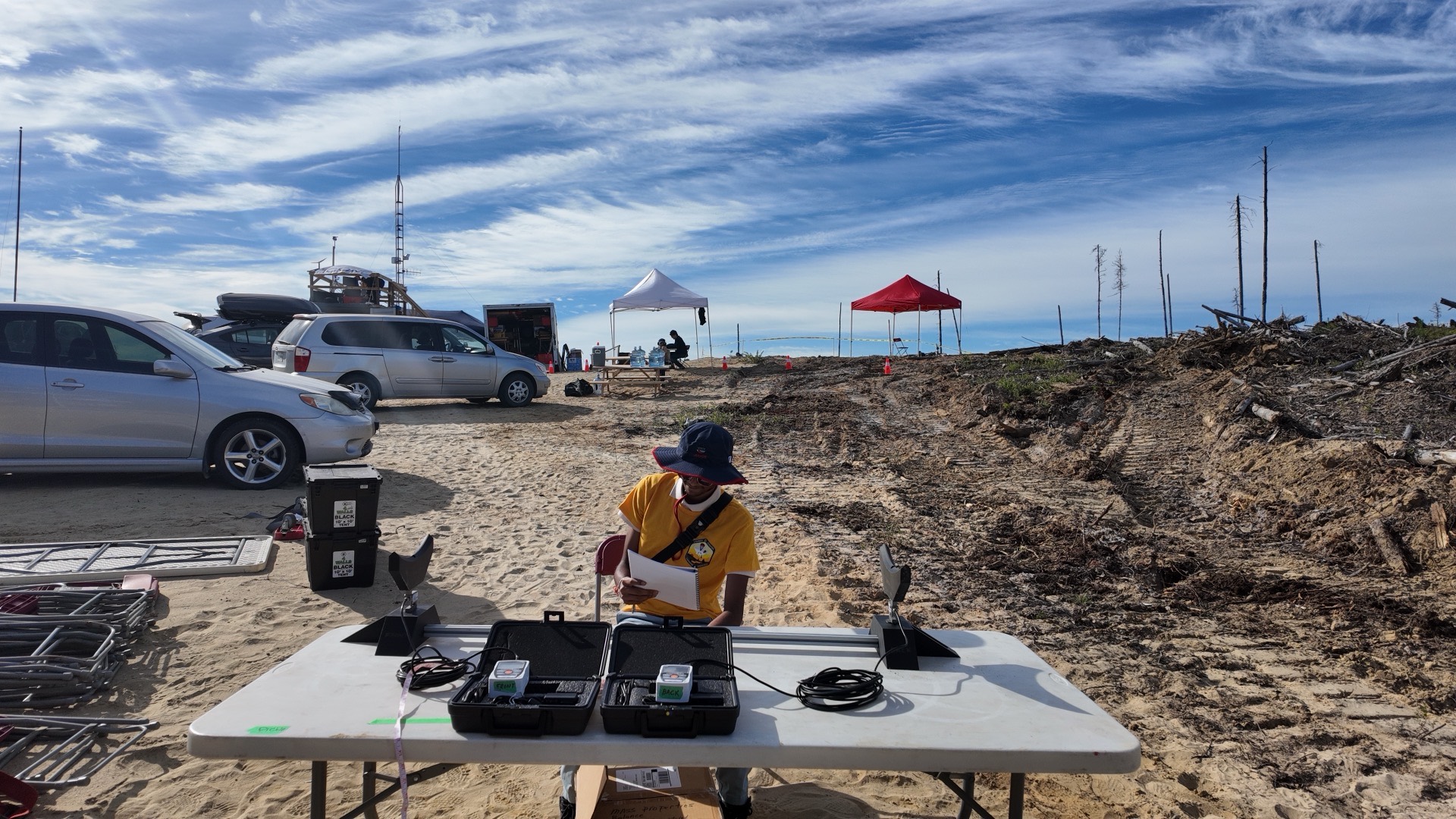
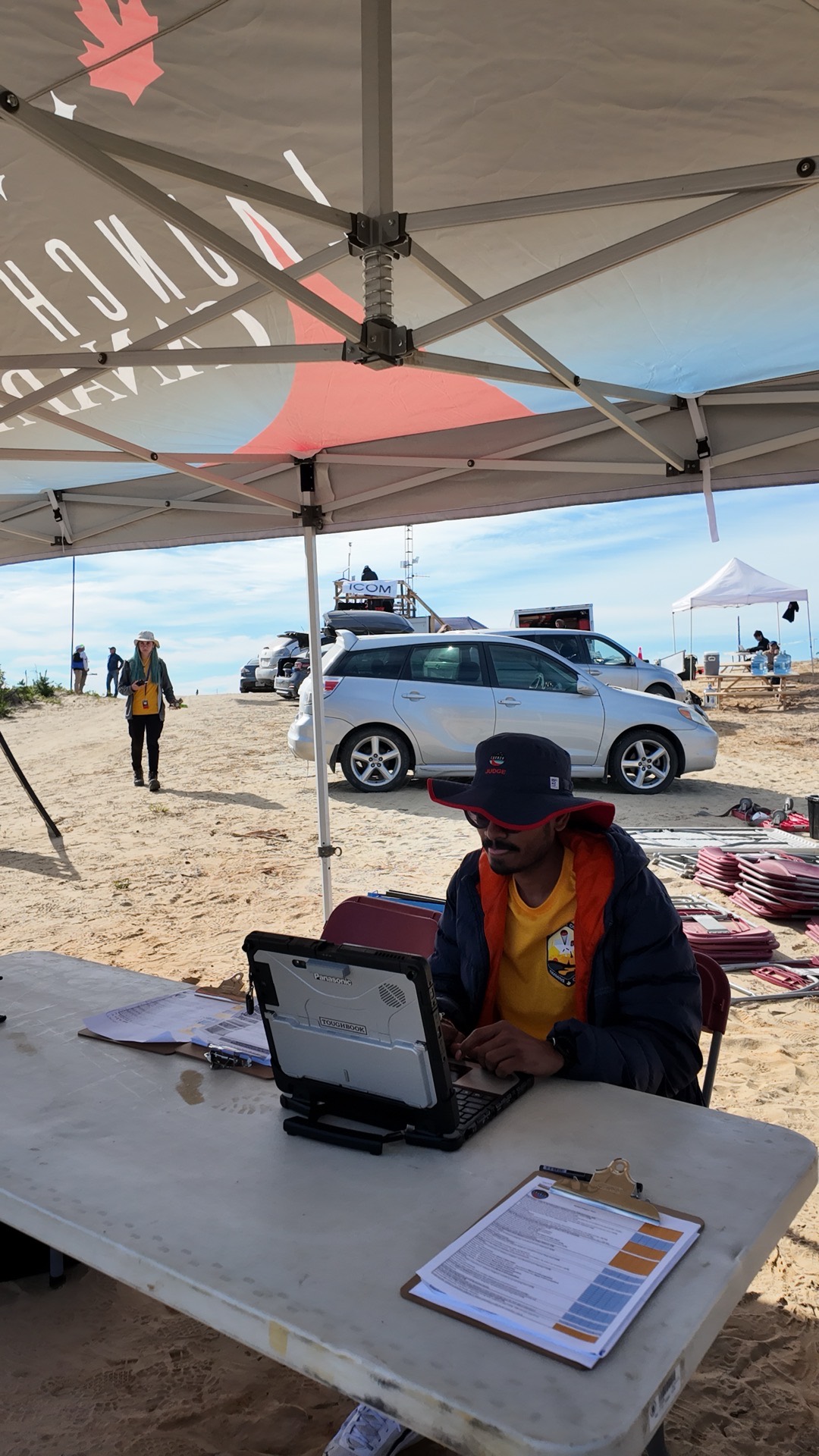
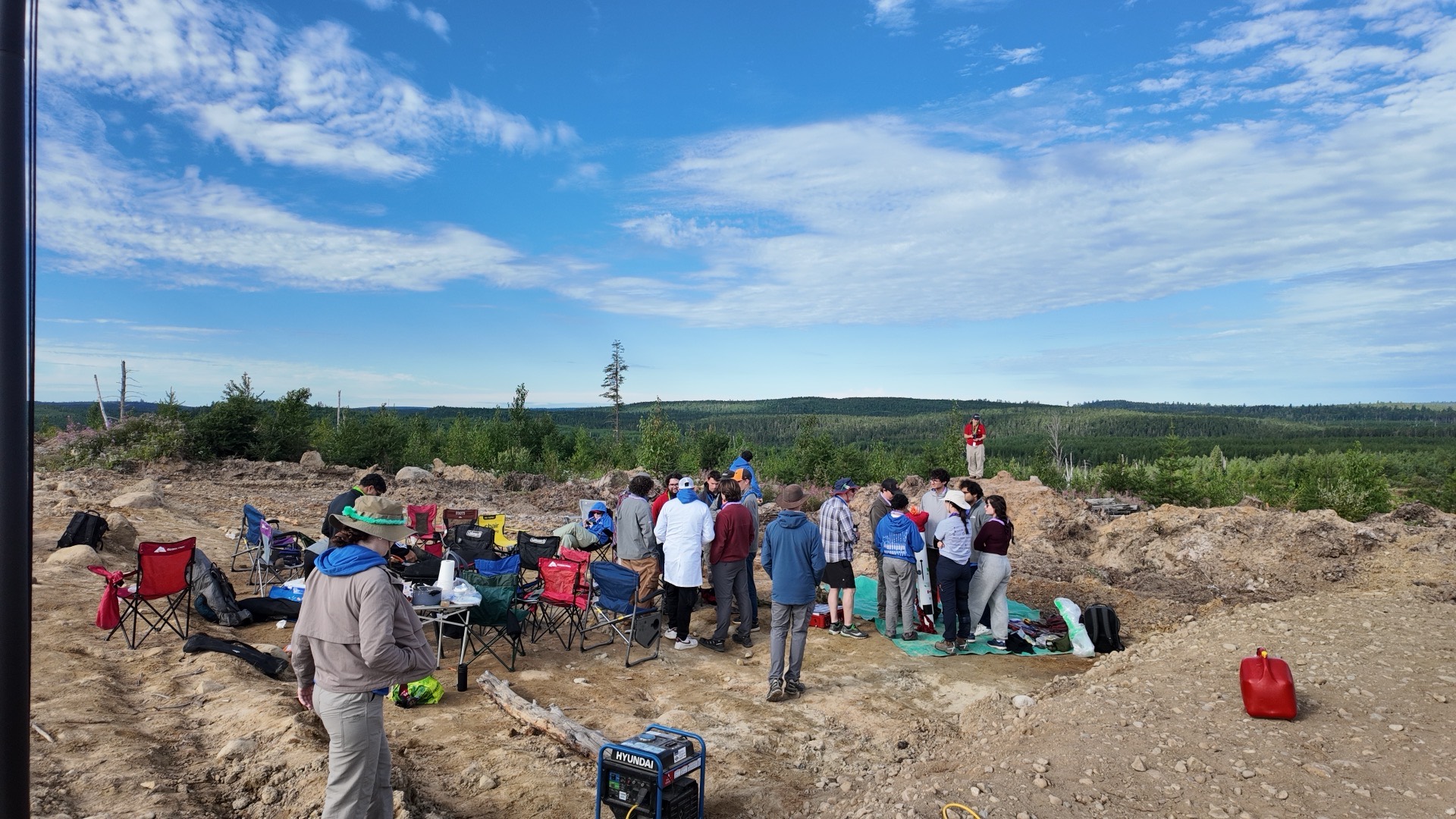
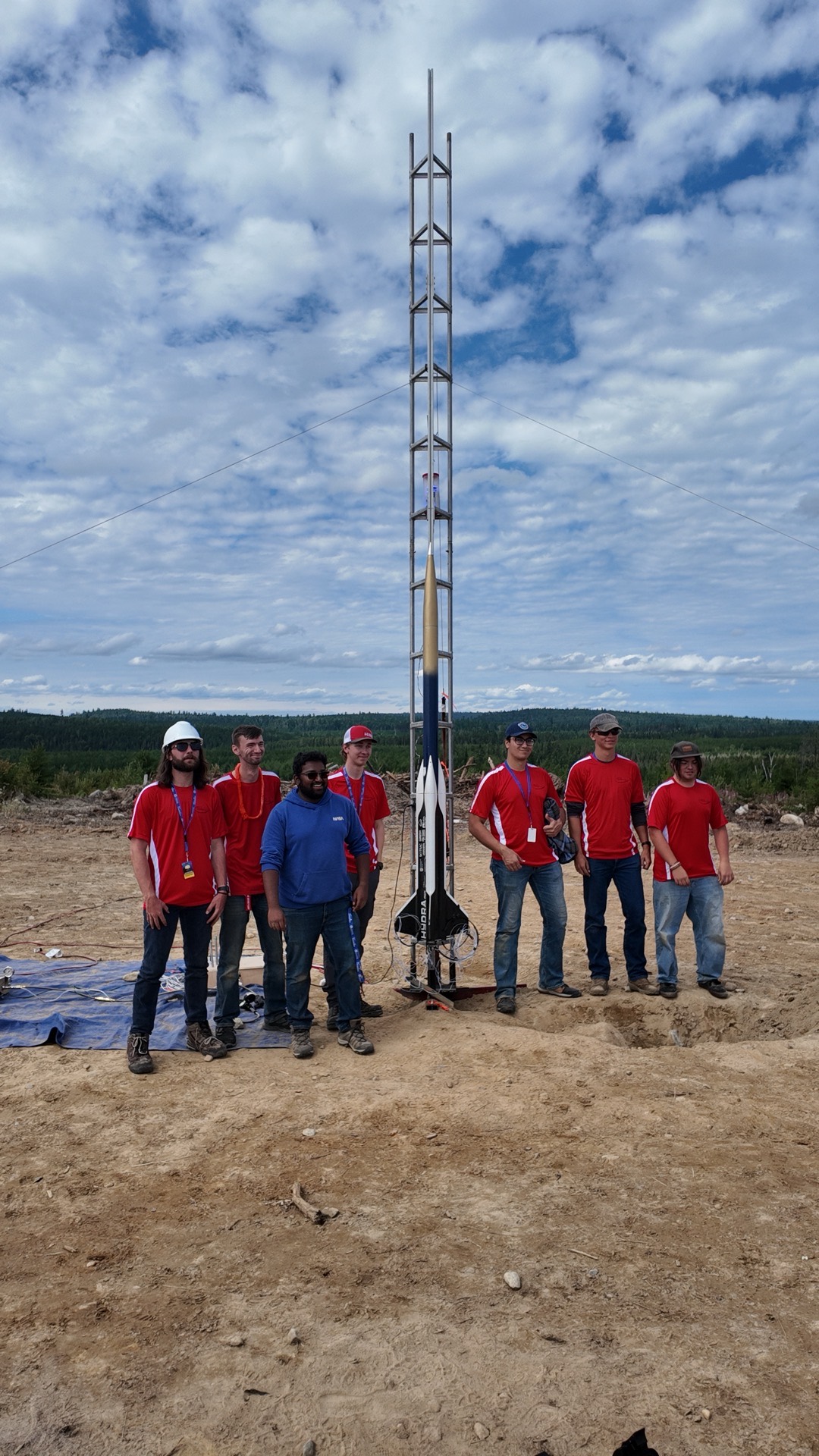
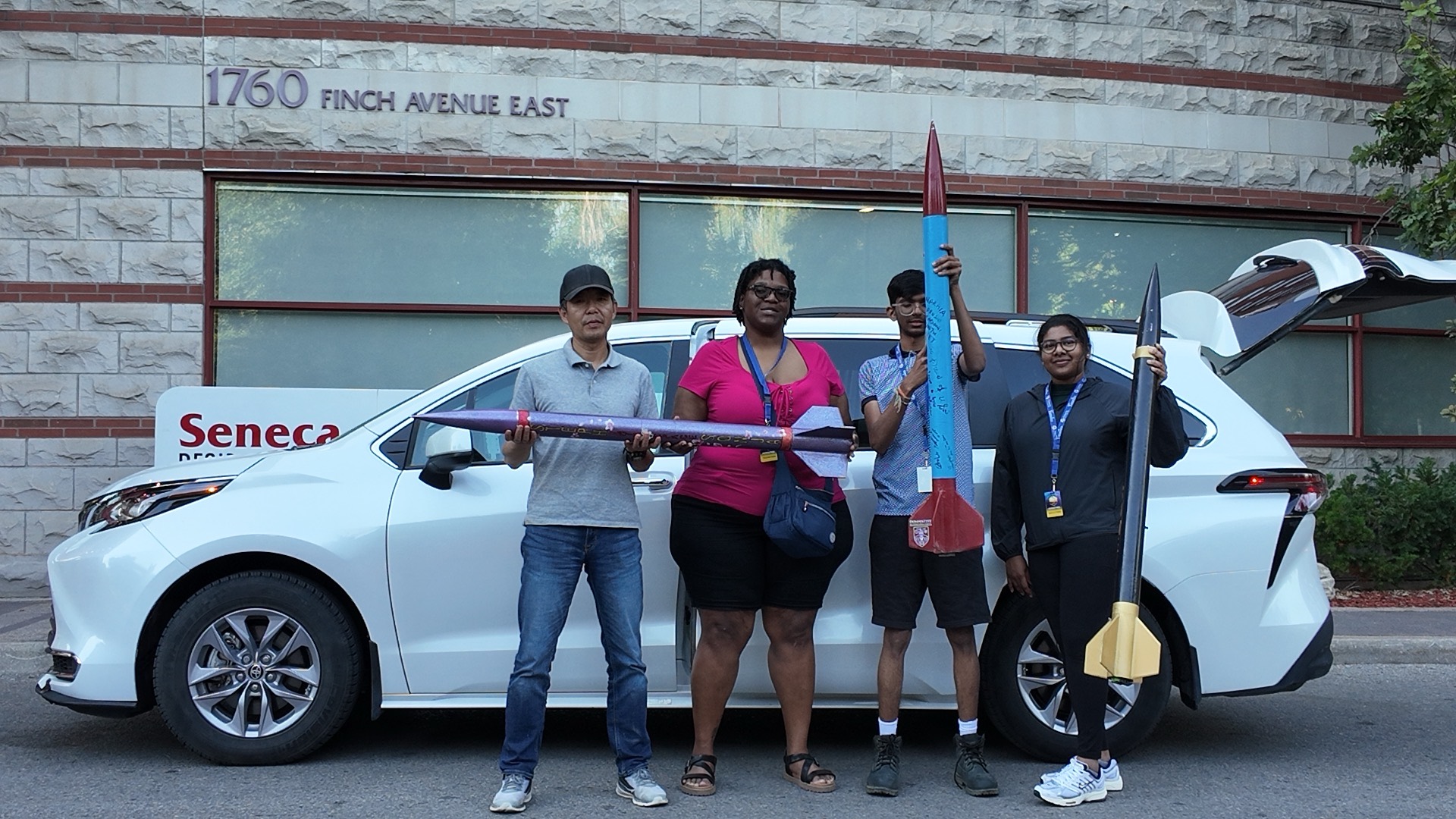
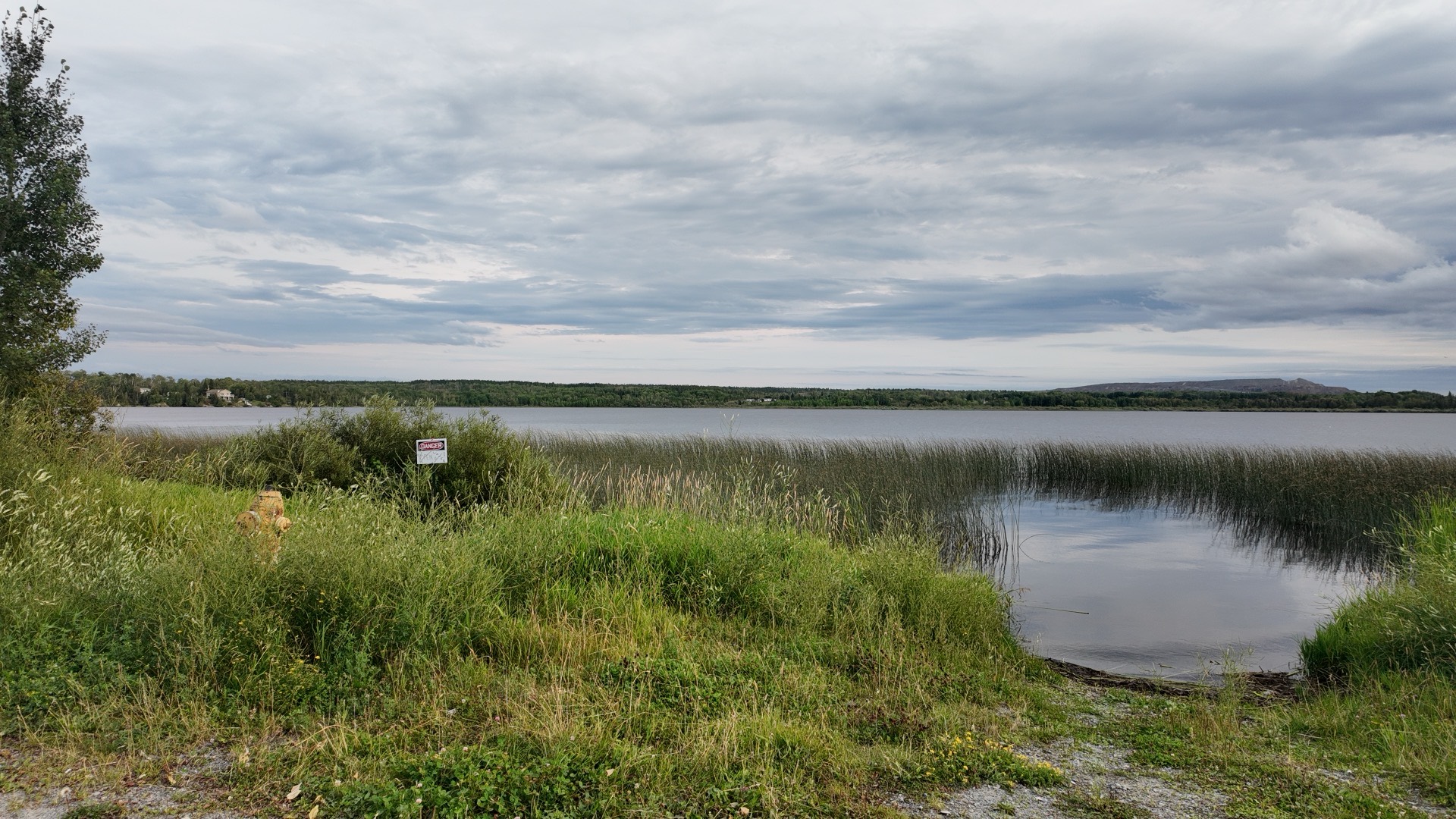
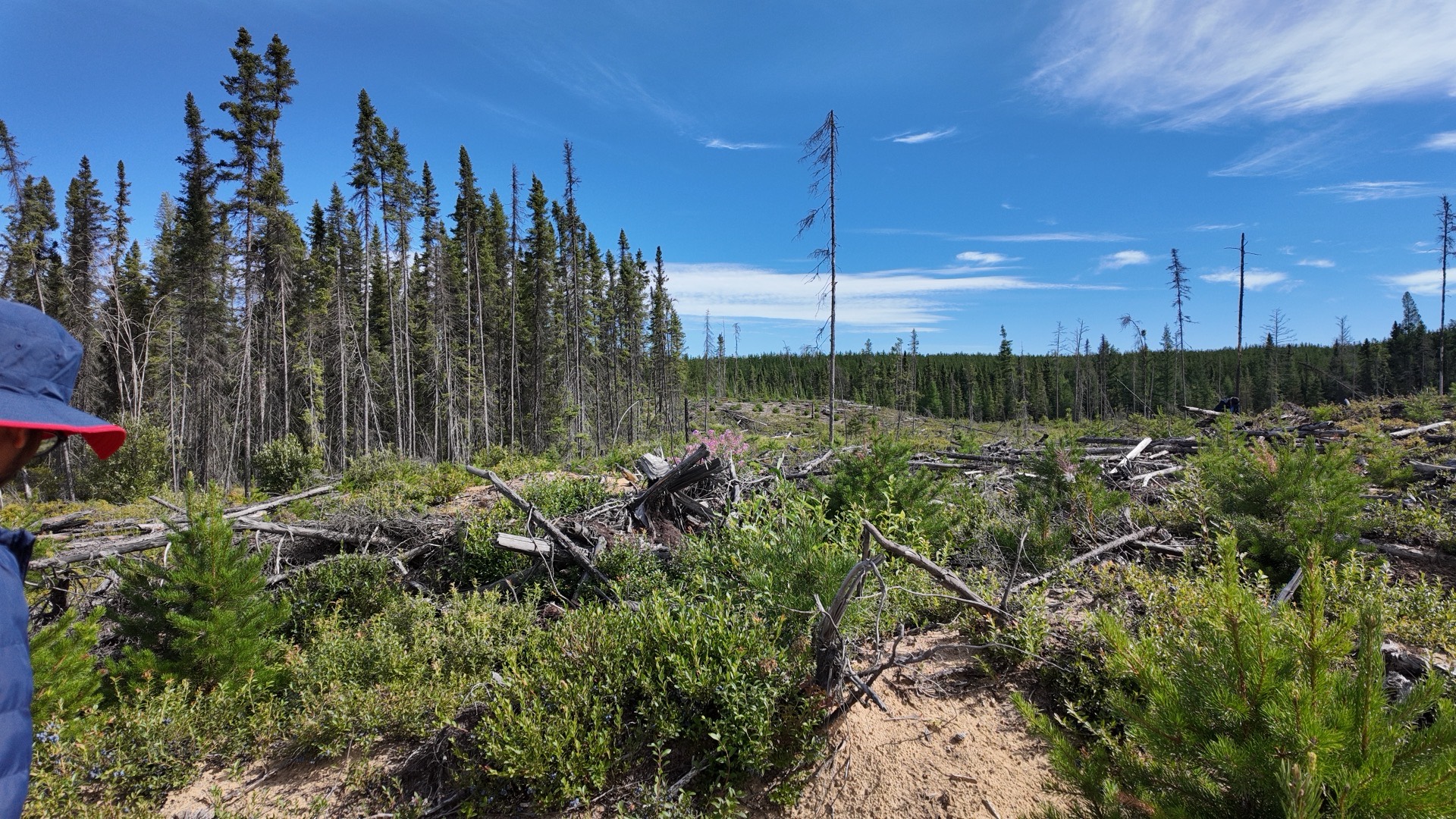
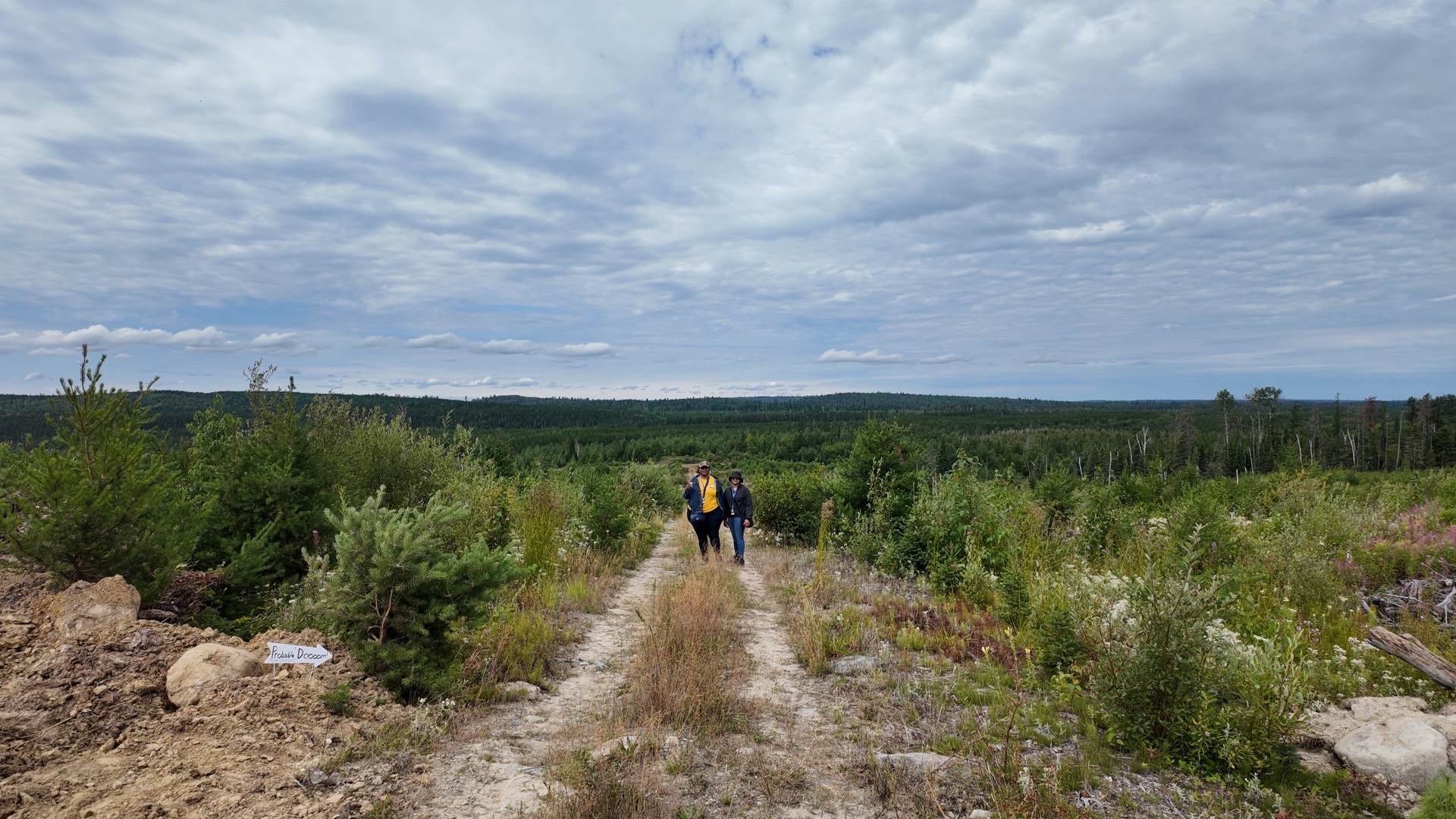
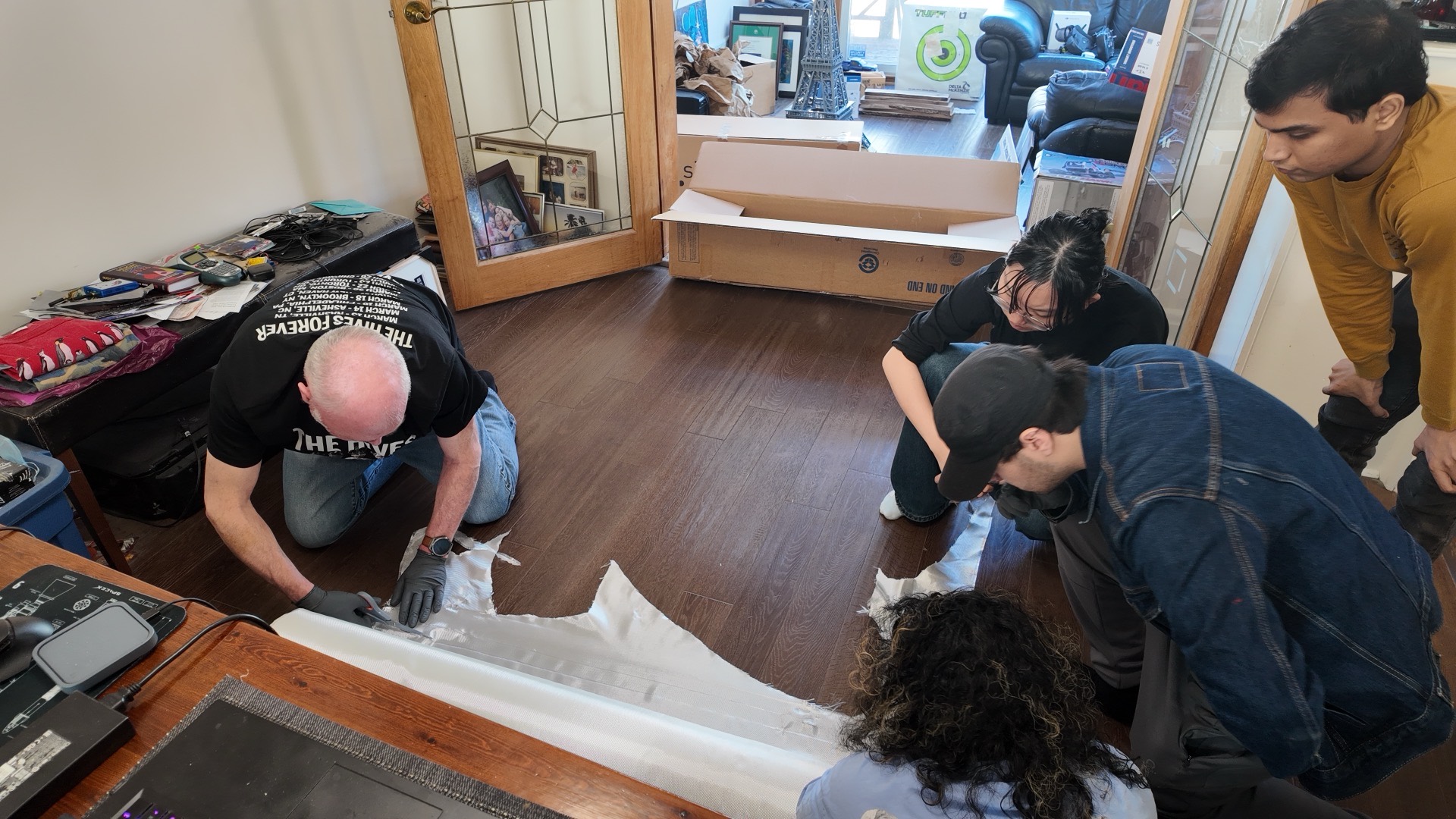
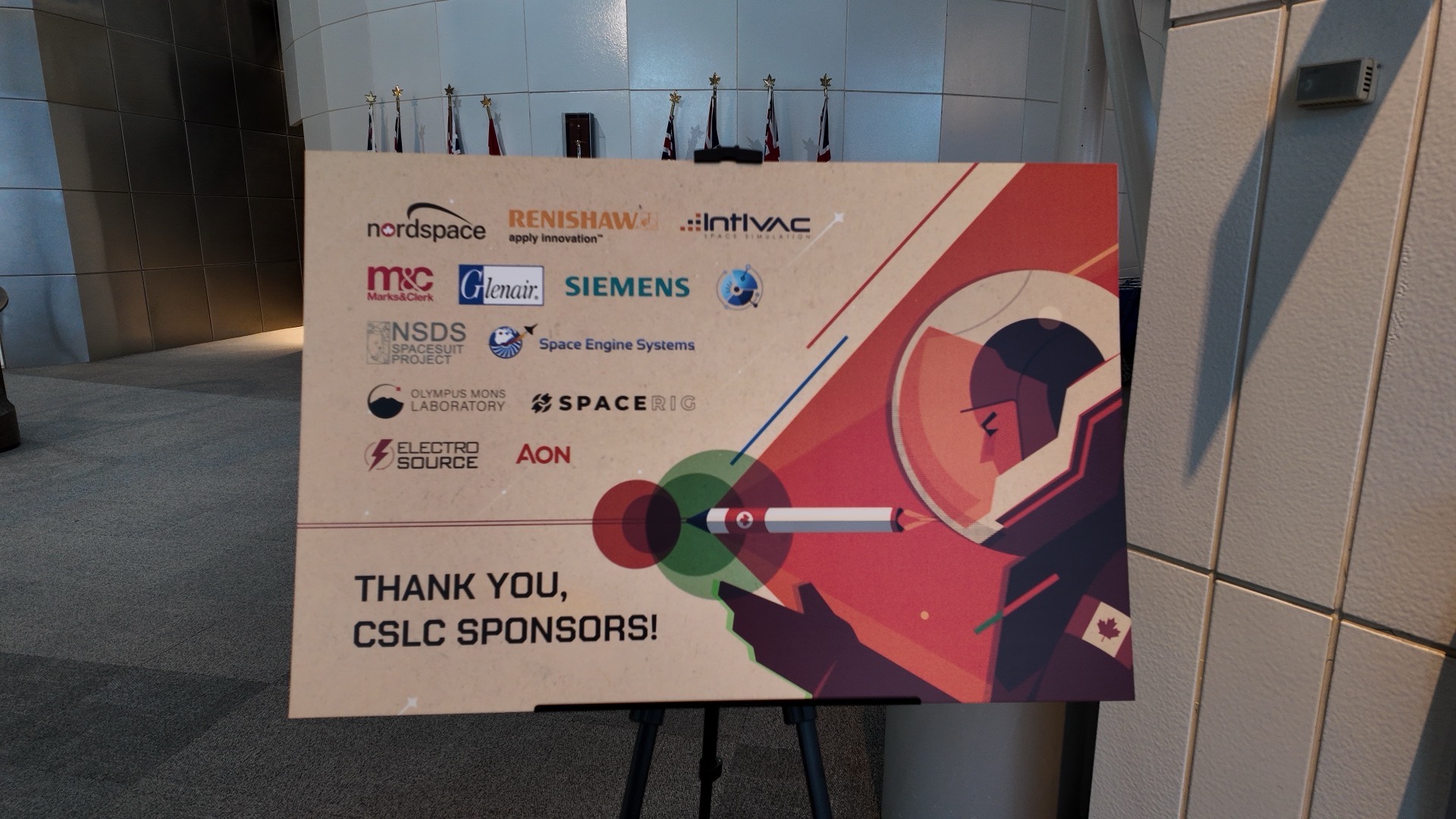
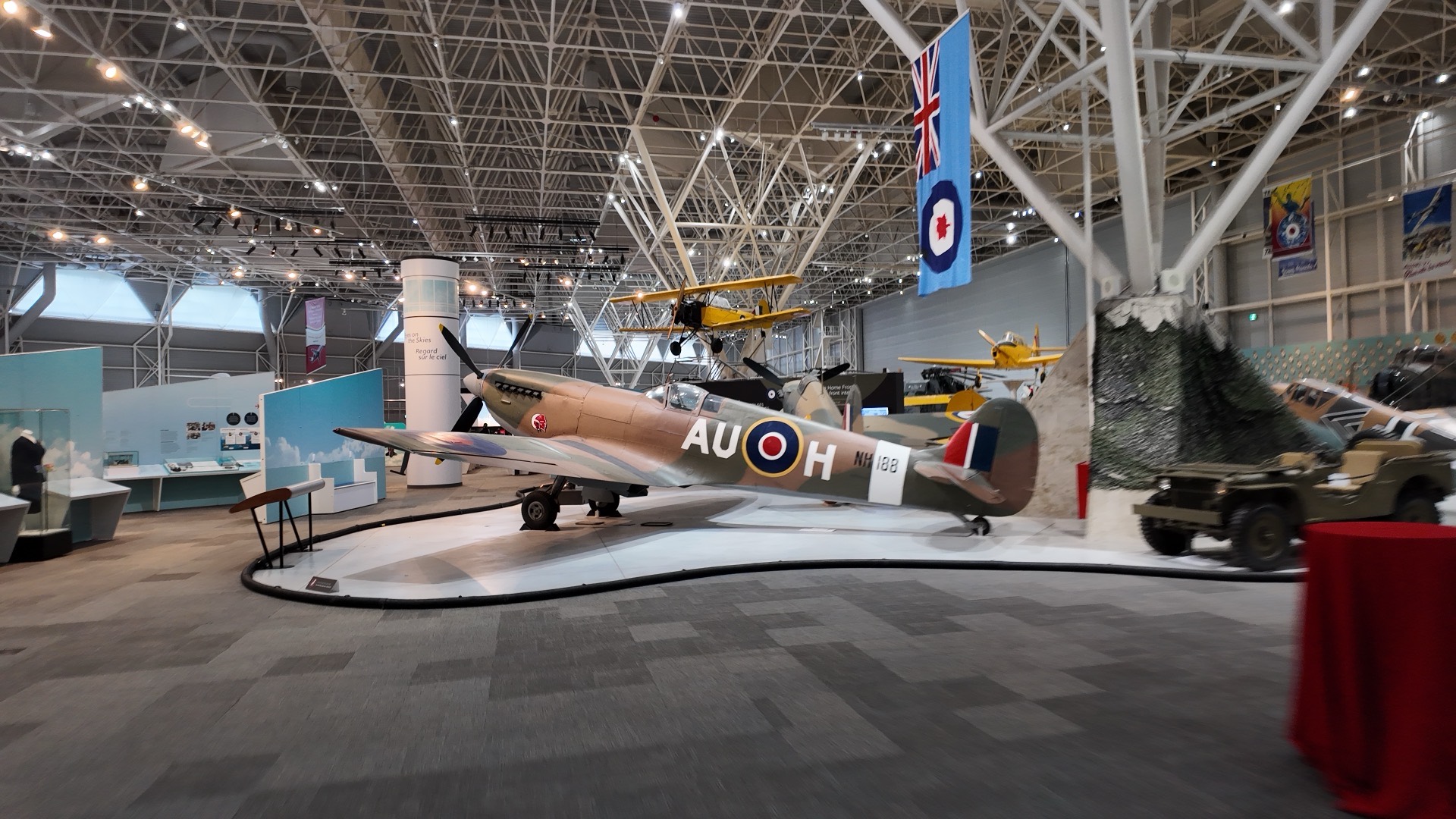
Photos from range days, shop sessions, outreach events, and integration work.